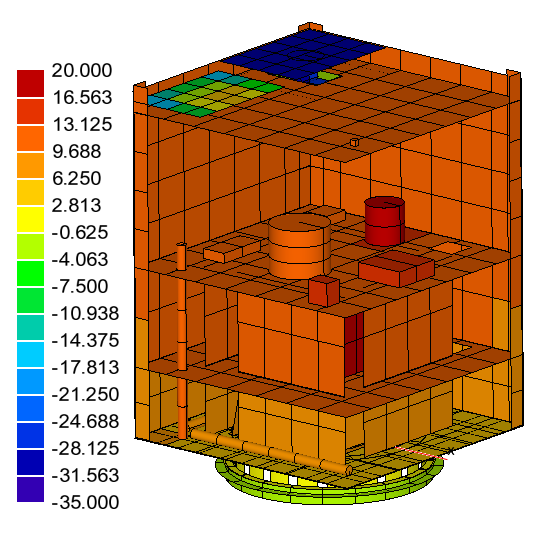
The primary objective of the thermal control subsystem is to maintain the entire satellite and its equipment within specified temperature ranges at each mission phase. Generally, two ranges are distinguished: the operating temperature range, which defines the temperature limits within which the instrument can operate; and the survival range, which defines the maximum and minimum temperatures that the instrument can withstand without being damaged. Thermal control must also ensure that the maximum thermal gradients are below those specified.
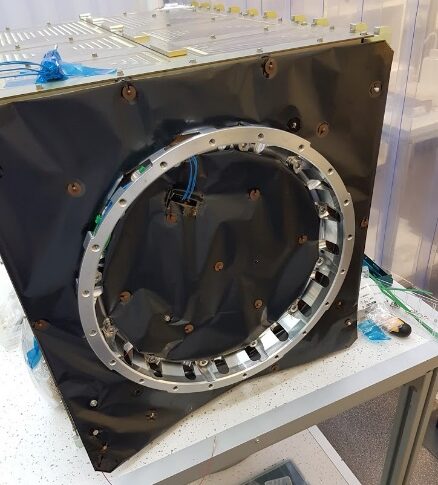
The thermal control of UPM-Sat 2 is mainly passive. The design consists of isolating the satellite from the outside by means of the surface finishes of the structure and by means of MLI, but allowing the internally generated heat to be evacuated by radiation.
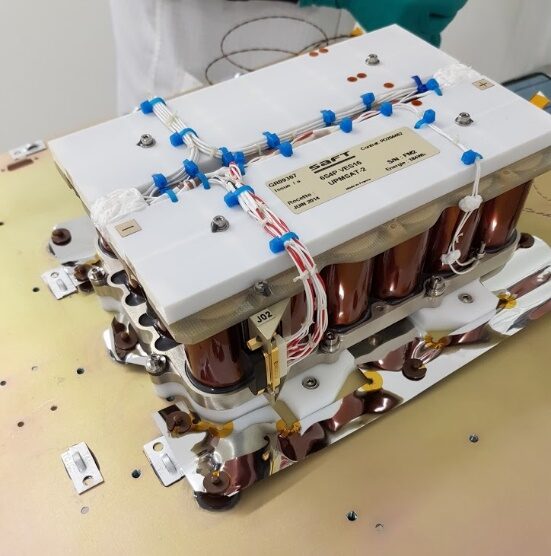
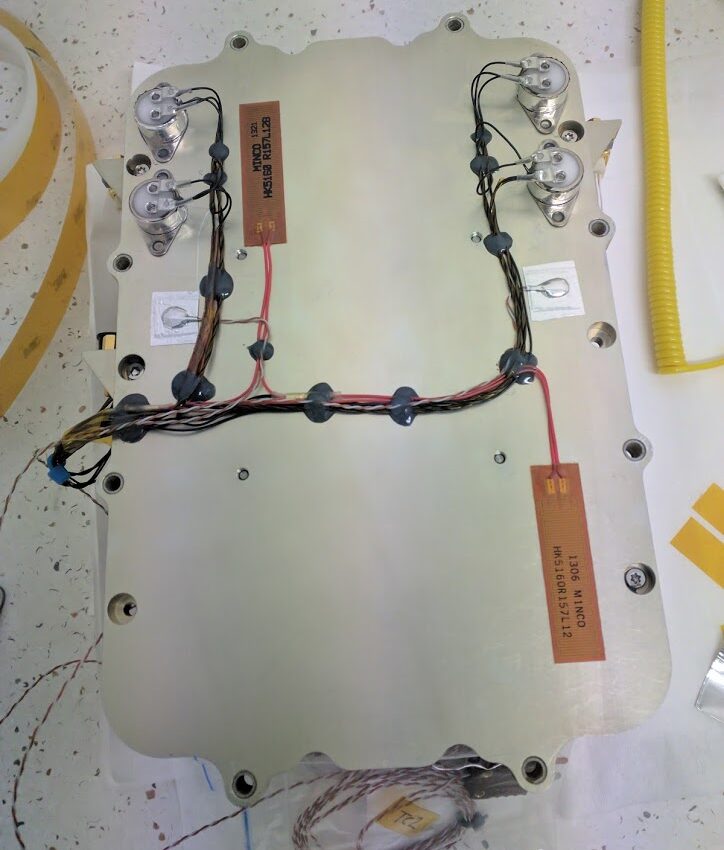
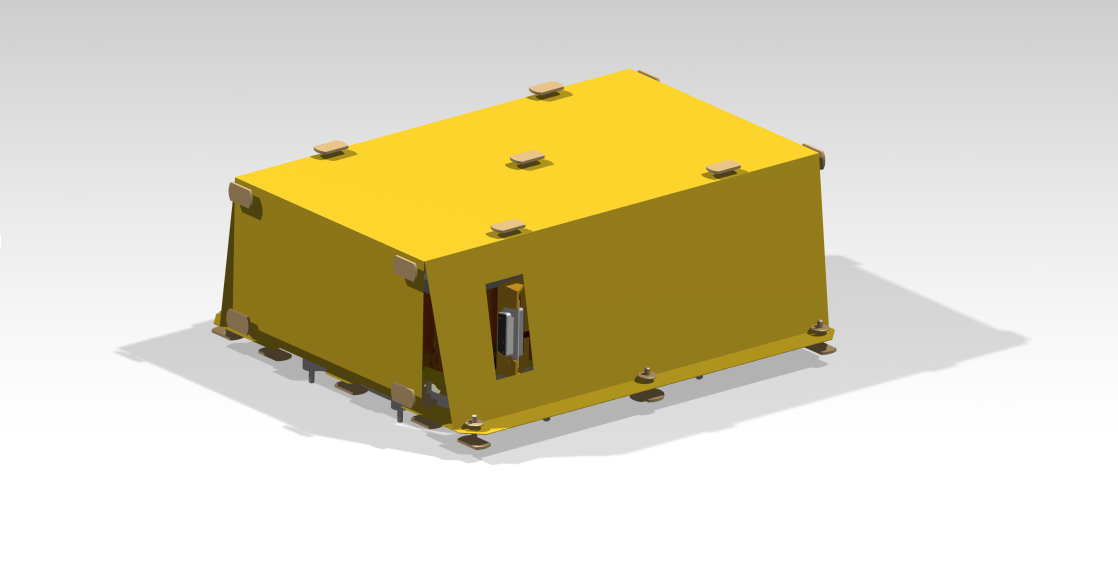
However, there is an active control system for the battery, which is isolated from the rest of the satellite: it rests on a DELRIN base that conductively isolates it, and is wrapped in an SLI that radiatively isolates it. In addition, heaters are glued to the base of the battery, powered by two independent circuits, both connected directly to the power line. On each line there are thermostats that allow the heaters to be switched on and off so that the battery temperature does not fall below 10 ºC.